Audience Building
Creator collaborations for audience growth
Plan creator collaborations around a shared audience question, clear responsibilities and useful follow-up content, then review whether relevant viewers return.
A creator collaboration can introduce each community to someone useful, but exposure alone is a weak goal. Choose a partner with a related audience need, make something that answers that need, and set a worthwhile result in advance. Start with one contained project before committing to a series.
Find the shared question
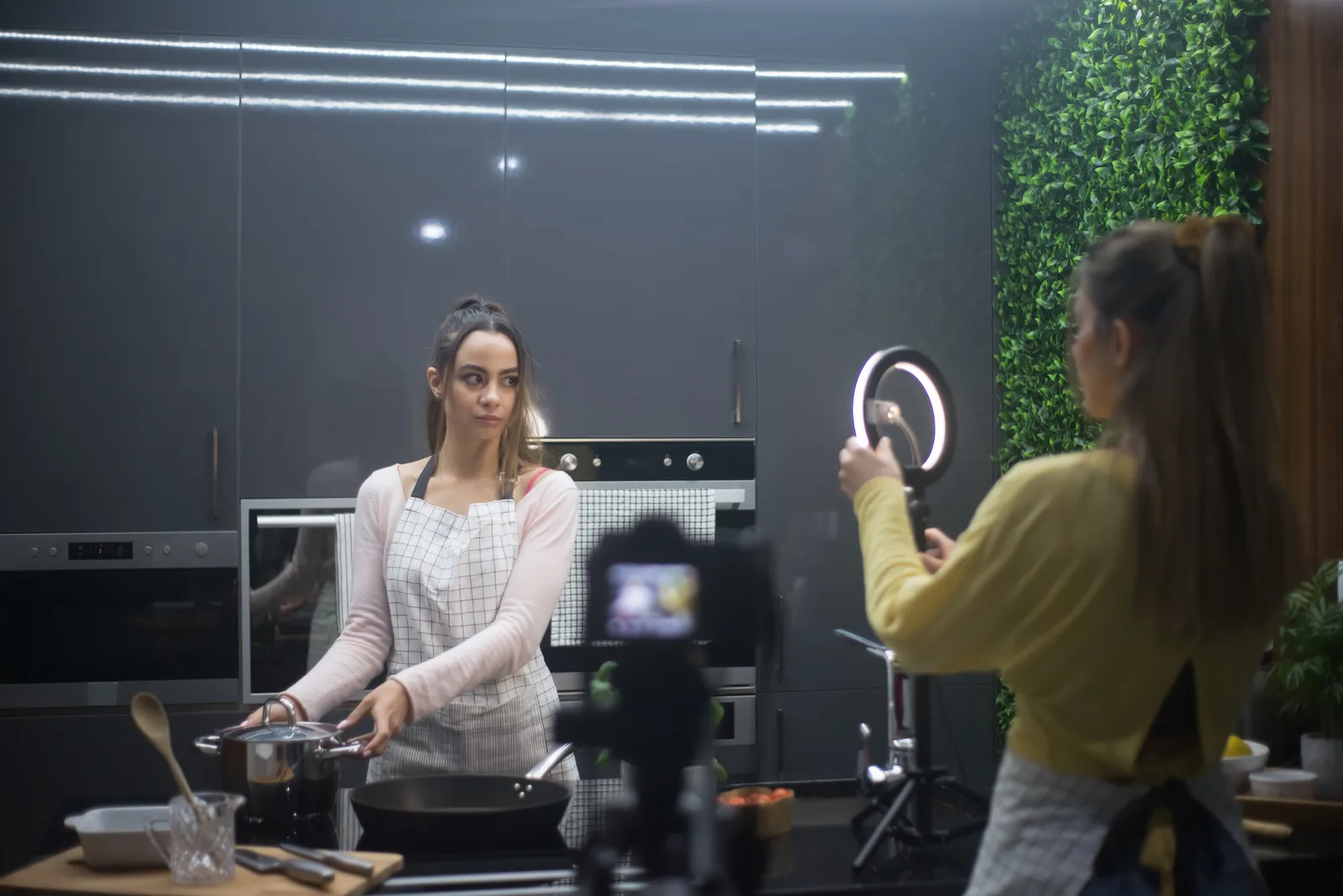
The strongest starting point is a question both creators answer better together. For example, a home cooking creator and a food budget creator might show how to plan several meals around one shopping list. Each brings a distinct skill. A generic conversation about their creator journeys may interest existing fans but give a newcomer little reason to stay.
Before approaching anyone, write down the viewer’s problem, each creator’s contribution and what a viewer might reasonably want next from each channel. If that last answer is unclear, the collaboration may be enjoyable without serving an audience growth goal.
Audience size is only one consideration. YouTube’s collaboration guidance suggests aligned audiences, mutual values and complementary skills. If YouTube is your main channel, the Audience report may show other channels your viewers consistently watch. Treat that as a lead, not proof that another creator’s viewers will follow you.
YouTube’s collaboration tips suggest considering what each creator can contribute beyond their audience: distinctive skills, production equipment or software, and access to an interesting location or person. These practical contributions can shape a shared idea neither creator could make in quite the same way alone.
When contacting a potential partner, YouTube recommends sending a brief synopsis and using their preferred contact method, which may be listed in the channel’s About tab. Make the note personal and specific rather than a copied message; explain the idea and why it could offer value to both audiences.
Choose a format that fits the idea
A guest appearance suits one focused exchange: a specialist demonstrates a step, challenges an assumption or brings a perspective the host lacks. A joint series suits a subject with several distinct questions and a team able to finish them. Separate companion pieces can work when each creator gives their own audience a complete answer and a clear path to the other perspective.
Do not make viewers hunt between accounts to understand the basic point. Every instalment should identify the contributors and deliver on its title. On YouTube, a channel can invite collaborators to long-form videos and Shorts. Once they accept, their names and subscribe buttons appear.
YouTube says the feature is intended to support discovery, though changes in search or recommendations may not be immediate. The posting channel receives the video’s earned revenue through YouTube, so creators need their own arrangement if they intend to share it.
YouTube lets a creator invite up to 10 collaborators to a video. Invitations are available for long-form videos, Shorts and archived live streams, but not active live streams. Viewers can see the collaboration on desktop, mobile and TV.
Which collaboration format suits which idea
- Guest appearanceSuits one focused exchange: a specialist demonstrates a step, challenges an assumption or brings a perspective the host lacks.
- Joint seriesSuits a subject with several distinct questions and a team able to finish them.
- Separate companion piecesSuits creators who each give their own audience a complete answer and a clear path to the other perspective.
YouTube collaborator feature at a glance
- Formats that accept collaborator invitations
- Long-form videos, Shorts and archived live streams
- Format that does not accept collaborator invitations
- Active live streams
- Where viewers can see the collaboration
- Desktop, mobile and TV
- Who receives the video's earned revenue
- The posting channel, through YouTube
Agree on the work before announcing it
A short written brief can cover the audience question, format, publishing account, recording date, edit owner, review deadline and who approves factual changes. Decide how each creator will be credited, what each will publish and what reuse is permitted. Discuss expenses, payment or revenue sharing if they apply.
Give both creators a chance to correct claims that misrepresent their expertise. Agree on what happens if a guest cannot attend, an edit is delayed or a planned instalment no longer deserves publication.
If a business pays for or otherwise incentivises a promotion, make the relationship clear to viewers and check the claims before posting. Australian consumer guidance covers incentivised social media promotions and warns against misleading claims or presenting paid reviews as organic.
For branded content uploaded or edited in YouTube Studio, the creator can select “paid promotion” and the brand partner’s channel. This connects the video to the partner’s Google Ads account, where the partner can review its performance.
The ACCC says it can require businesses to back up claims made on social media and may investigate or take compliance or enforcement action over false or misleading claims in social media advertising. Build time into the agreement for checking claims before publication.
What to settle in the written brief before you announce anything
- The audience question the collaboration answers
- The format and which account publishes each piece
- Recording date, edit owner and review deadline
- Who approves factual changes
- How each creator will be credited
- What each creator will publish and what reuse is permitted
- Expenses, payment or revenue sharing, if they apply
- What happens if a guest cannot attend or an edit is delayed
- Time set aside to check claims before publication, including for any paid or incentivised promotion
Make the handoff useful
Introduce the partner through the problem they help solve. “The recipe tester checks the method; the food budget creator checks the cost per serving” tells a new viewer why both are there. At the end, suggest a relevant next piece from each creator. A vague request to follow both accounts asks for commitment before explaining the value.
Prepare those next pieces before launch where possible. Someone who clicks through should find content consistent with the collaboration’s promise. One useful next step is usually clearer than a list of accounts, products and sign-up requests.
Review what happened
Record the publication dates, which account hosted each piece, any other promotion and the follow-up content available at launch. Compare the collaboration with similar work after the same amount of time live. Look beyond views or new followers: did viewers explore another relevant piece, return later or ask questions that fit your usual work?
YouTube defines regular viewers as those who watched a video on your channel at least once per month for more than six months in the past year. YouTube’s monthly audience is the number of unique viewers who watched in the previous 28 days, calculated daily. Use it as an estimate of the active audience when reviewing a collaboration.
YouTube also cautions that subscriber count is an imperfect estimate of the active audience. Read early behaviour and later return as separate signals; channel reports cannot establish every viewer’s path from a partner to your work.
A first project may reveal a better second question. Commit to another collaboration when that question gives both communities a distinct answer.
In this guide
- Choosing collaborators with complementary audiencesAssess a potential creator partner through a shared viewer question, distinct expertise and relevant follow-up content rather than follower count alone.
- Planning a collaboration that serves both communitiesBuild a creator collaboration brief that gives both audiences a clear answer and settles roles, approvals, credit and follow-up before publication.
- Comparing guest appearances with joint content seriesChoose between a creator guest appearance and a joint series by comparing viewer value, production commitment and distinct follow-up questions.
- Measuring follower quality after a creator collaborationAssess whether a collaboration reached people interested in your continuing work, using follow-up viewing, return and relevant questions alongside follower growth.