Publishing Rhythm
A publishing rhythm creators can sustain
Plan a creator publishing rhythm around useful answers, real production capacity and a calendar you can review.
A sustainable publishing rhythm is the amount of useful work you can finish, check and share repeatedly in the time available. Start with a modest commitment, allow for delays, and review after a few cycles.
Decide what the rhythm is for
Choose the main job of your next run of content: a library of complete answers, a recurring format or a time-sensitive subject. Each creates different production demands.
A detailed demonstration may take longer than a direct response to one question. A news-led piece may be difficult to finish far in advance.
Give each instalment a clear purpose and make it useful on its own. That helps you decide what belongs in the calendar and what can wait.
Check the conditions behind the cadence
Before settling on a rhythm, check it across the content types you expect to publish. YouTube recommends weighing frequency, consistency, content volume and production time for each type. A schedule can include formats beyond videos, but plan additional formats so the overall rhythm stays manageable.
Connect the cadence to the content's purpose. YouTube distinguishes revenue-focused, subscriber-growth-focused and reach-focused content, which may require different programming choices. Use that purpose to judge whether a proposed schedule works, rather than treating a higher publishing count as success by itself.
Build the calendar from finished work
Count research, outlining, recording or writing, editing, checking, captions, packaging and publishing. Allow time for responses you intend to handle. Work out the time reliably available alongside other commitments. Choose a pace that fits an ordinary week, with room for revision or disruption.
For example, a creator might plan one focused answer and leave time for checking and replies. If a piece routinely takes longer than expected, the calendar must change even if a weekly release sounds appealing.
Add topics only when each has a distinct question and a feasible production path.
Plan ahead, but leave room for change
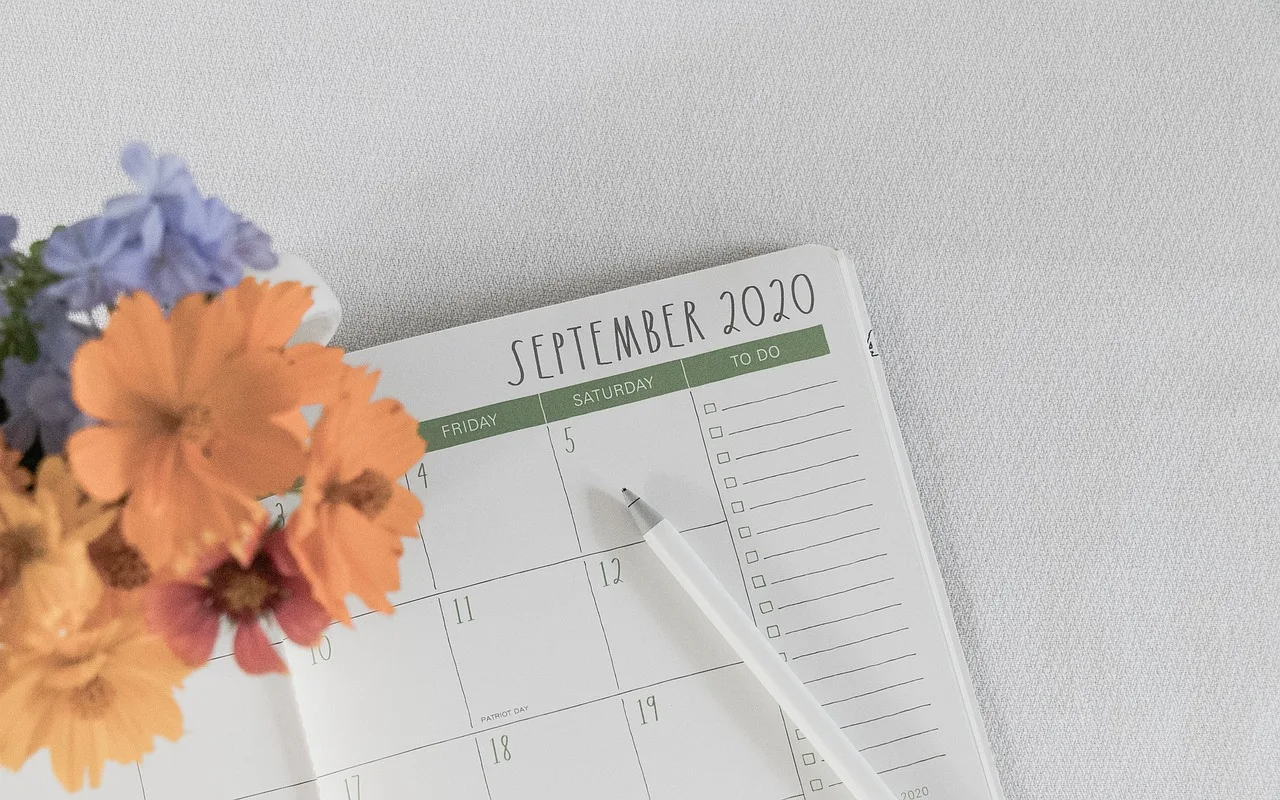
Plan the coming weeks or months, then look for dates that may affect what you publish: holidays, relevant game releases or film premieres, and collaborations. YouTube notes that topical news videos and vlogs may limit how far ahead you can plan. Keep those items flexible rather than treating every calendar entry as equally fixed.
Make room for different kinds of work
See the sibling article on format allocation for guidance on choosing between short and long formats.
Keep a usable reserve
See the sibling article on backlog maintenance for the procedure for maintaining a reserve of ready work.
Treat time off as part of the plan
Include non-work time in the calendar, with a clear cut-off for work and days off. YouTube's wellbeing guidance suggests routines, planned breaks and boundaries around filming during holidays. If you do not plan to publish while away, tell your audience when you expect to return. YouTube says its discovery system does not intentionally penalise creators for taking breaks.
Check the release settings and date
When scheduling on YouTube, set the video to private or scheduled. Then choose the date, time and time zone in YouTube Studio or the app.
Check the watch-page date too: YouTube bases it on Pacific Standard Time, so it may differ from the Studio date when publishing from a time zone ahead of PST.
A Community Guidelines strike can also prevent a scheduled video from publishing during the penalty period. It remains private and must be rescheduled when the freeze ends.
Review before increasing the pace
After several cycles, compare the plan with what happened. Which tasks took longer? What was delayed?
Did a rushed piece need correction? Was there time to respond to useful questions and take a break? Record the causes rather than judging the rhythm by upload count alone.
Keep the pace if the work is useful and the process fits. Reduce frequency or narrow a format if production repeatedly overruns. If you made a public schedule commitment, update it when the plan changes.
In this guide
- Planning output around available production hoursEstimate the full time needed for each piece and turn your available production hours into a workable publishing commitment.
- Choosing a realistic mix of short and long contentDecide when a creator question needs a short answer or a longer explanation, then choose a mix your production time supports.
- Building a backlog without stockpiling outdated postsKeep a creator content backlog useful with clear stages, freshness checks and a review before scheduled release.